What is Digital citizenship?
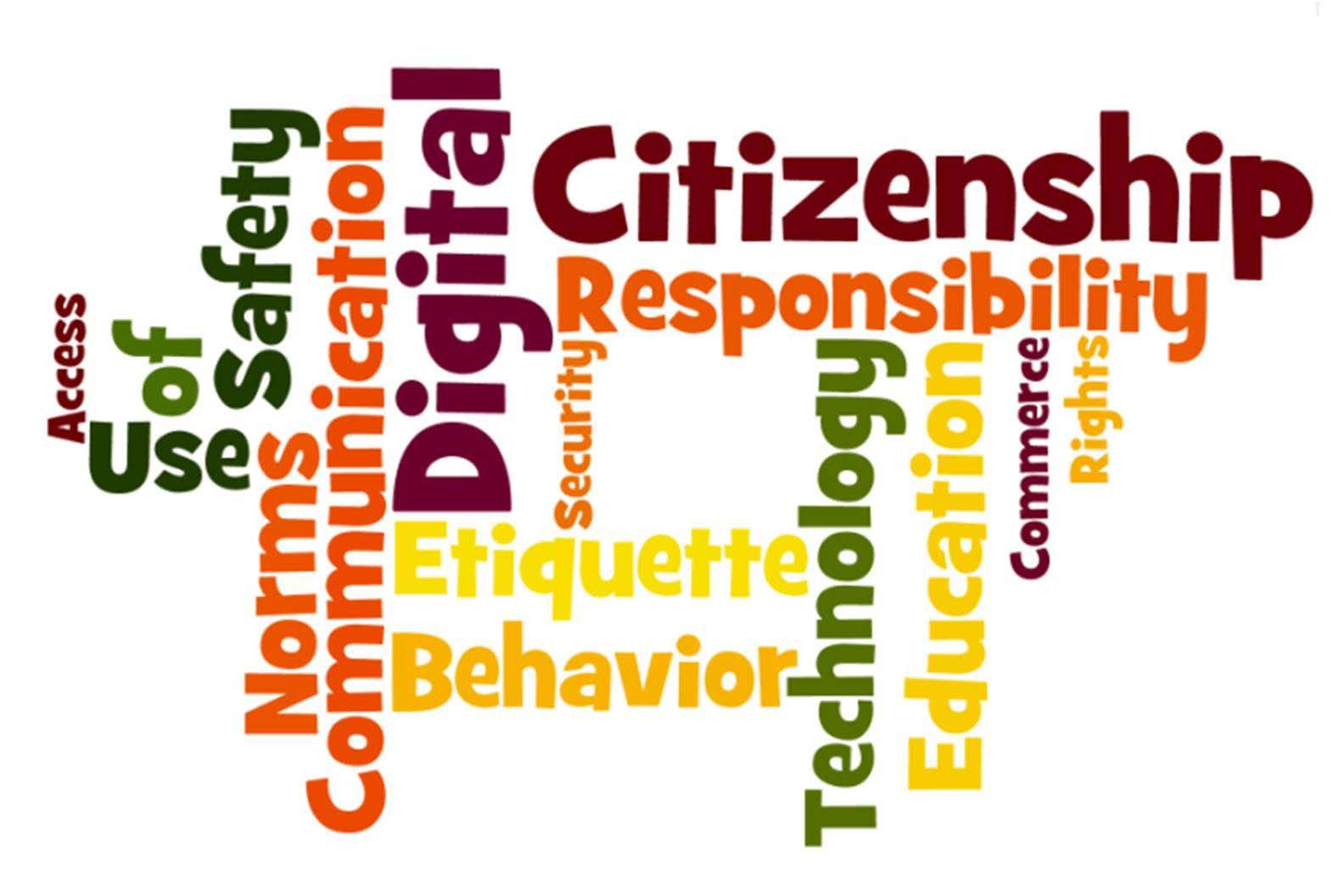
Digital citizenship is about how to understand and use the technology properly. It helps and teaches students/technology users, what responsibility they have when they use technology. In modern day, we see a lot of people misusing and abusing technology and not know what the consciences are. It is important to know how to use technology and not abuse it.
Too Much Information and Plagiarism
Once people hit publish, post, or send , etc., any button that will publish anything, even this poster, to the public for everyone to see, it would stay there forever. Today, people answer anything without conscious, for example, the question, "Where do you live?" They would answer this personal question without thinking that people can have access to their information. If its on the internet, then it's not as private as people think.

However today, social networks offers privacy. But just because they have a private account doesn't mean no one can access it. Expert hackers with no good intensions can hack through the private account. So even though its private, don't put too much information. Hackers can now access webcams either on a laptop or desktop. They can film the person on the computer and also, can get information just from watching two people Skype each other.
There is a lot of laws when it comes to the world of technology and internet. One big thing is plagiarism. Plagiarism is when a person takes someone else's work or idea's and passing it their own. A person can be in serious troouble when caught plagiarising. If a student is caught, their future is basically on the line. At a young age, they might already have a criminal record. It would get harder to get a job or get into college or univeristy. Whatever you got in the internet, always adress where the information came from.

There is a lot of laws when it comes to the world of technology and internet. One big thing is plagiarism. Plagiarism is when a person takes someone else's work or idea's and passing it their own. A person can be in serious troouble when caught plagiarising. If a student is caught, their future is basically on the line. At a young age, they might already have a criminal record. It would get harder to get a job or get into college or univeristy. Whatever you got in the internet, always adress where the information came from.
The Nine Elements
- Digital Access: full electronic participation in society.
- Digital Commerce: electronic buying and sellingof goods.
- Digital Communication: electronic exchange of information.
- Digital Literacy: process of teaching and learning about technology and the use of it.
- Digital Etiquette: electronic standards of conduct or procedure.
- Digital Law: electronic responsibility for actions and deeds.
- Digital Rights & Responsibilities: those freedom extended to everyone in the digital world
- Digital Health & Wellness: physical and phycological well being in a digital techonology world.
Ways to be a great Digital Citizen
- Think before you post: Like I have stated before, everything is not private. So before posting any pictures or answering any personal question think, "is this too much information?" Keep in mind that once it's posted, it stays there forever.
- Don't copy anything without adressing: Plagiarism is taken seriously now a days. If caught a person can be criminaly charge. So if you are posting or writing anything, always adress where you got the information. Its better to adress where you got the information rather than have a criminal record.
- Privacy: Social Network offers privacy now. Always have the privacy active. Even though hackers can still hack it, at least they'll have a difficult time. Also, even though you have the privacy setting on, still don't put too much information.
- Warn others: Don't just keep important information about the web world, warn others on what the consequences. Tell and share what you know and what to look out for.
- Against the Law: Never use technology for all the wrong reasons. In our modern world, technology is easy to track, it leaves digital footprints. Once caught, authorities can give hard verdicts, and an expensive fine.
Bibliography
- http://www.thinkuknow.org.au/kids/
- http://digitalcitizenship.net/Home_Page.html
- http://cperryteach.wikispaces.com/file/view/9ElementsOfDigitalCitizenship.png/148369745/561x461/9ElementsOfDigitalCitizenship.png
- http://edtechreview.in/images/digital_citizenship.jpg
- http://www.siliconrepublic.com/fs/img/news/201209/rs-426x288/sharing-information.jpg

No comments:
Post a Comment